What a Check Engine Light Actually Means (and What a Scan Tool Can't Tell You)
A code reader will tell you a code number. It won't tell you which of the five things that could actually mean is the one wrong with your car.
September 14, 2026 · 3 min read
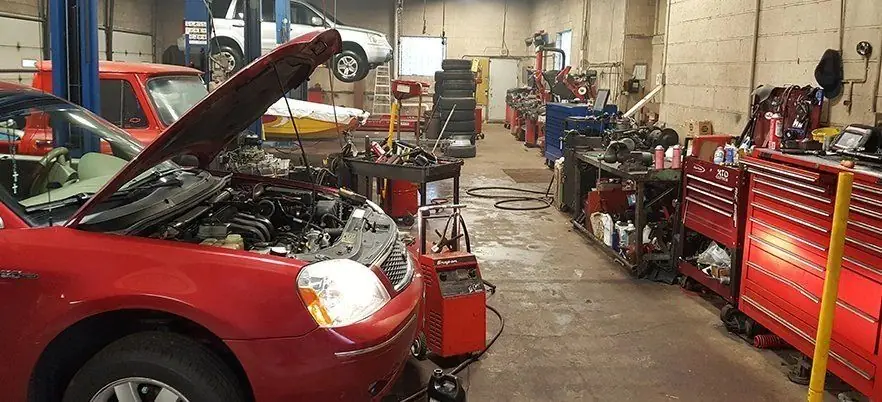
Somebody pulls into the lot at least once a week having already looked up their own check engine code online, and they're not wrong to have done it. The trouble is that a code by itself answers a narrower question than most people think, and the gap between what a code says and what's actually wrong with the car is where a lot of unnecessary parts get bought.
How the system actually works
Your car's engine computer is watching dozens of sensors in real time: oxygen sensors, mass airflow, coolant temperature, crank and cam position, and more. When a reading falls outside the range the computer expects, it stores a code and lights the check engine light. The code tells you which system triggered the alert. It does not tell you why that system is out of range.
Take one of the most common codes on the road, P0420, which reads as catalytic converter efficiency below threshold. A lot of drivers see that and go buy a new catalytic converter. Sometimes that's the right call. Just as often the actual problem is a failing oxygen sensor feeding the computer bad data, an exhaust leak upstream of the converter, or an engine that's running rich for an unrelated reason and cooking the converter early. Replace the converter without finding the real cause and you'll be back with the same code in six months, except now you're out the cost of a converter too.
What a scan tool can and can't tell you
- A scan tool CAN tell you which system or sensor circuit triggered the fault
- A scan tool CAN show you live data streams, which is where an actual diagnosis starts
- A scan tool CANNOT tell you which of several possible root causes is the one actually happening in your car
- A scan tool CANNOT substitute for physically testing a component, checking wiring and connectors, or road-testing the vehicle under the conditions that trigger the code
A code is the start of a diagnosis, not the end of one
This is the part that matters most. A code narrows the search to a system. A real diagnosis means pulling live data while the engine is running under the conditions that actually caused the fault, checking related sensors that share the same circuit, and in a lot of cases confirming the fix with a road test before calling the job done. Two cars can throw the identical code for two completely different reasons, and the only way to know which one you've got is to actually look.
Why this is worth understanding before you spend money
The advice a lot of people get from a parts store code reader is well-meaning but incomplete: it tells you the code and hands you a part number. That's a guess dressed up as an answer. A shop with real diagnostic equipment can trace a code back to its actual cause instead of throwing parts at it until something sticks, which usually ends up costing less in the long run even though the first visit sounds like it costs more.
We run computer and engine diagnostics on Hunter equipment here at Bailey Tire, and estimates on that work are always free. If your check engine light is on, bring it in and we'll tell you what's actually happening before anything gets replaced, not just what the code number says.
Bailey Tire Auto & Marine Service Inc., (716) 834-4434
Call (716) 834-4434More articles
When to Switch to Winter Tires in Buffalo (It's the Temperature, Not the Snow)
Most drivers wait for snow on the ground before they think about winter tires. By then the rubber in your all-seasons has already gone stiff on you for a month.
Winterizing a Boat in Western New York: The Order of Operations That Actually Prevents Cracked Blocks
Freeze damage on a boat almost never happens because someone forgot to winterize. It happens because they winterized out of order.