NYS Inspection: What Actually Fails, and How to Avoid a Second Trip
Most failed inspections in Buffalo aren't about the engine. They're about the same handful of predictable items, most of which you can catch before you ever get in line.
September 14, 2026 · 3 min read
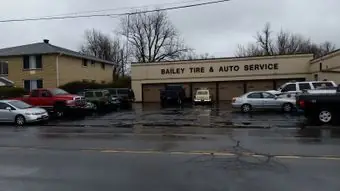
New York State inspection has a reputation for being unpredictable, but in practice the same handful of items account for most of the failures we see, and almost all of them are things a driver could catch themselves with five minutes of looking, before ever getting in line.
What the inspection actually covers
NYS inspection checks the safety systems that keep a car from being dangerous to you and everyone around you: brakes, tires, steering and suspension, lights (headlights, taillights, brake lights, turn signals, and their aim), windshield wipers, horn, seat belts, the windshield itself for cracks in the driver's line of sight, and the exhaust system, along with an emissions check on most passenger vehicles.
What actually fails most often
- A burned-out bulb, most often a brake light or a turn signal, because it's the easiest thing to not notice from the driver's seat
- Tire tread depth below the legal minimum, or a tire with a visible bulge, cut, or exposed cord
- A cracked windshield in the area directly in front of the driver, even if it's small
- Worn brake pads or a warning light on the dash that suggests a brake system issue
- An exhaust leak, often from a rusted section of pipe or a failing muffler
- A check engine light that's on at the time of inspection, which is an automatic emissions failure regardless of what the underlying code is
How to avoid a second trip
Walk around the car the night before with someone else pressing the brake pedal and the turn signal stalk while you watch each light. Check tread depth with a coin or a gauge at a few spots around each tire, not just one. Look at the windshield from the driver's seat, not just from outside, since a chip that's easy to miss walking past the car can sit right in your sightline once you're in the seat. And if the check engine light is on, get it looked at before inspection day rather than during it, since an active code is a guaranteed fail no matter what else is right with the car.
If something does fail, ask what actually failed it and get an estimate before saying yes to the fix. We do NYS inspections here and estimates on any repair work are free, so there's no reason to fix something you don't have a clear answer on first.
The rust problem that's specific to Buffalo
Road salt is the other half of the Buffalo car-ownership story, and it's not just cosmetic. Salt-laden slush gets thrown up into the wheel wells, the undercarriage, and the frame rails all winter, and it sits there working on bare metal long after the roads themselves are dry. Given enough winters, that's how you end up with rusted brake lines, a perforated exhaust system, or frame rust serious enough to fail an inspection on its own, none of which show up until they're already a real problem.
Undercoating puts a protective barrier between the metal and the salt before that process ever starts, and it's a lot cheaper than the repairs that come from skipping it. We do undercoating here alongside inspections, and if you're bringing a car in anyway, it's worth asking us to take a look underneath while it's already up on the lift.
Bailey Tire Auto & Marine Service Inc., (716) 834-4434
Call (716) 834-4434More articles
When to Switch to Winter Tires in Buffalo (It's the Temperature, Not the Snow)
Most drivers wait for snow on the ground before they think about winter tires. By then the rubber in your all-seasons has already gone stiff on you for a month.
Winterizing a Boat in Western New York: The Order of Operations That Actually Prevents Cracked Blocks
Freeze damage on a boat almost never happens because someone forgot to winterize. It happens because they winterized out of order.