Wheel Alignment and Road Force Balancing: What Your Tire Wear Is Actually Telling You
Your tires wear the way your suspension actually behaves, not the way it's supposed to. Reading that pattern will save you a set of tires.
September 14, 2026 · 3 min read
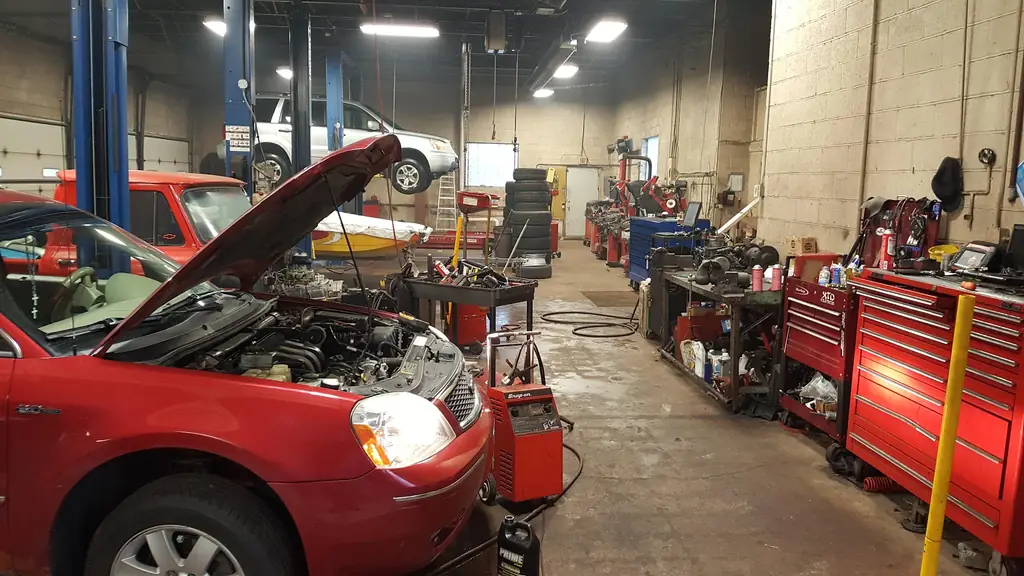
Most people replace tires when they wear out and never ask why they wore out the way they did. That's a missed diagnosis. Tire wear patterns are one of the most honest signals your car gives you about what its suspension and alignment are actually doing, as opposed to what they're supposed to be doing.
Reading your own tires
- Wear concentrated on the outer edge of the tread usually points to too much positive camber, or the wheel leaning outward at the top more than it should
- Wear concentrated on the inner edge usually points to too much negative camber, or excess toe-in
- A feathered pattern, where each tread block is smooth on one side and sharp on the other when you run your hand across it, points to a toe misalignment
- Cupping, a series of scalloped dips around the tire, usually points to a suspension component that's worn out and no longer damping the wheel properly, not the alignment itself
- Wear on one side of the car but not the other can point to a bent component, an accident that was never fully corrected, or one side of the suspension sitting lower than the other
None of these patterns show up overnight. By the time you can see one with the naked eye, it's usually been developing for thousands of miles, which is also thousands of miles of the car pulling slightly, or braking slightly unevenly, without you necessarily noticing day to day.
What alignment actually corrects
A wheel alignment adjusts three angles: camber (the wheel's lean when viewed from the front), caster (the steering axis angle when viewed from the side), and toe (whether the wheels point slightly in or out relative to each other). Get all three back into spec and the car tracks straight, the steering wheel centers correctly, and the tires wear evenly across the tread instead of eating themselves unevenly on one edge. We run a Hawkeye aligner for this, which measures all three angles precisely rather than eyeballing them.
What a road force balancer finds that a standard balance misses
A standard tire balance only accounts for weight distribution around the tire and wheel assembly. It spins the wheel, finds where it's heavy, and adds a small counterweight opposite that spot. That fixes a static or dynamic weight imbalance, but it doesn't catch a tire or wheel that's slightly out of round, meaning its radius varies as it rotates even though its weight is even. That kind of imbalance shows up as a vibration that a standard balance can't fix no matter how many times you rebalance it, because weight was never the problem.
A road force balancer solves this by pressing a loaded roller against the spinning tire to simulate the actual force of the tire meeting the road, not just its static weight. It catches out-of-round tires and wheels that a standard balance is blind to, and in some cases it can find the low-force spot on the tire and match it to the wheel's high spot to cancel the vibration out entirely, without needing to replace anything.
Custom wheels need a different kind of changer
If you're running custom or oversized wheels, the machine doing the mounting matters as much as the tire itself. A standard tire machine clamps a metal head against the wheel's own finish to break the bead and seat the new tire, which is exactly how a custom finish gets scuffed or a delicate alloy gets marked. A touchless changer does the same job using air pressure and rollers instead of metal contact against the wheel face, which is the only way to mount or dismount a tire on a nice wheel without putting a mark on it. We run one here that handles wheels up to 28 inches, which covers the vast majority of custom setups that come through the door.
If your steering wheel isn't centered, the car pulls to one side, or you've got a wear pattern that doesn't look even across the tread, it's worth having it looked at before you buy new tires rather than after. Fixing the cause first means the next set actually lasts as long as it's supposed to.
Bailey Tire Auto & Marine Service Inc., (716) 834-4434
Call (716) 834-4434More articles
When to Switch to Winter Tires in Buffalo (It's the Temperature, Not the Snow)
Most drivers wait for snow on the ground before they think about winter tires. By then the rubber in your all-seasons has already gone stiff on you for a month.
Winterizing a Boat in Western New York: The Order of Operations That Actually Prevents Cracked Blocks
Freeze damage on a boat almost never happens because someone forgot to winterize. It happens because they winterized out of order.